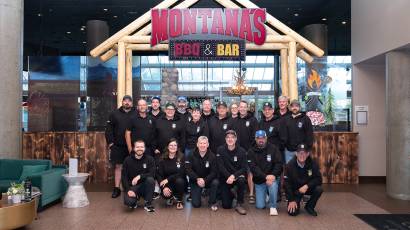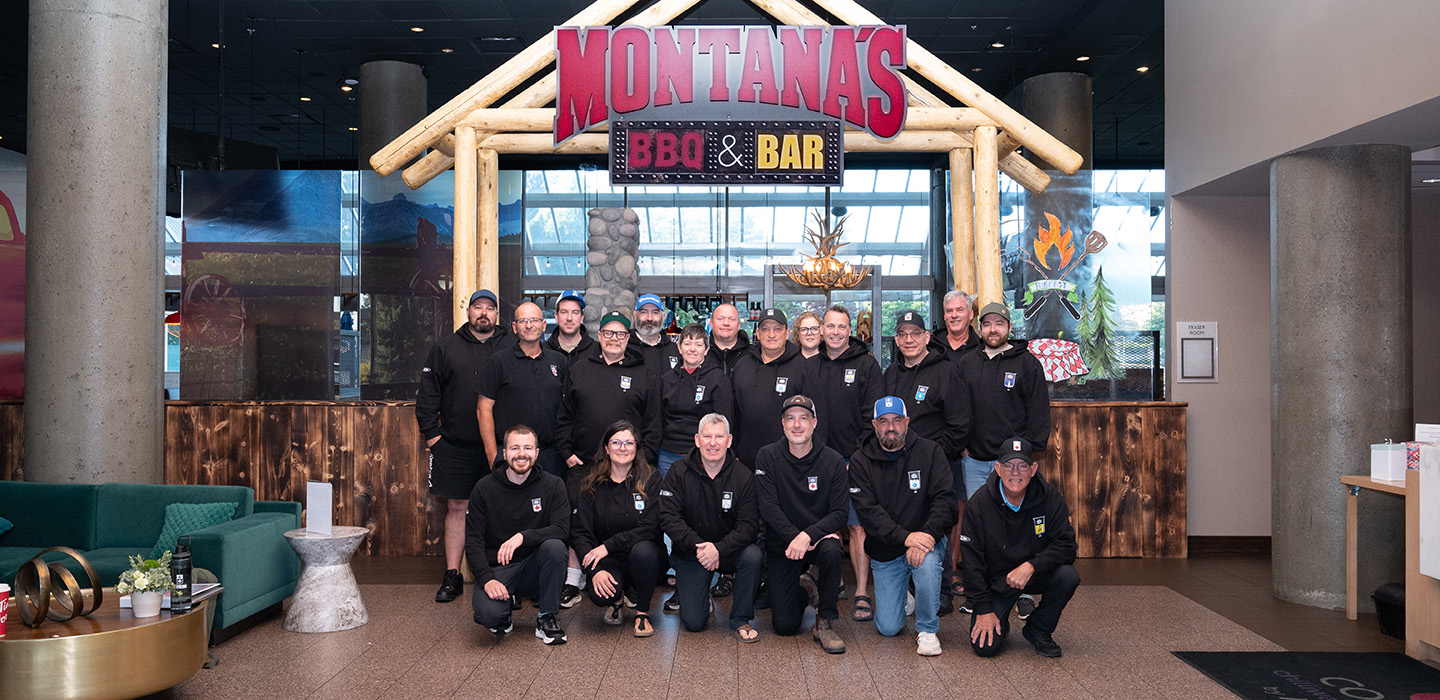
Great curling ice starts with knowledgeable ice technicians. This summer, Curling Canada brought these ice experts together for a first-of-its-kind opportunity to learn from each other, share ideas and develop frameworks to continue providing high-quality curling ice to curlers at all levels of the sport.
Curling Canada took an important step toward strengthening that education system Aug. 6-9 at the Chilliwack Curling Club, hosting its first-ever Ice Technician Facilitator and Evaluator Training.
The four-day session brought together 19 facilitators from Curl BC, Curling Alberta, CURLSASK, CurlManitoba, Curling Ontario, Curling Quebec, Nova Scotia Curling and Curling NB to align on how Assistant Ice Technician (AIT) and Head Ice Technician (HIT) courses are delivered, evaluated and supported across the country.
Last season, 37 Ice Technician courses trained 364 participants. Thirty-six facilitators and evaluators now work across Canada and delivered those courses. As those opportunities grow, so does the need for a consistent approach to education.
“Bringing ice technician leaders from across the country together for this training was an important step forward for our education program,” said Dustin Mikush, Curling Canada’s ice technician programming manager. “We’re building a network of facilitators and evaluators who can share their knowledge, strengthen the learning experience in the AIT and HIT courses and help develop the next generation of ice technicians.”
The training focused on aligning program standards and strengthening the tools available to facilitators and evaluators as they teach, assess and provide feedback to AIT and HIT participants.
Sessions covered program purpose, preparation and professionalism, teaching and learning, technical priorities and long-term ice technician development. Greg Taylor, chief operating officer of Jet Ice, also presented on water quality.
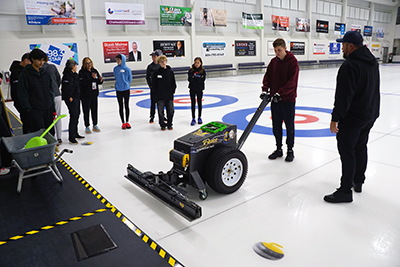
The facilitators then had an opportunity to put the training into practice by practice-teaching course content before delivering an Assistant Ice Technician course to 24 British Columbia participants on Aug. 8.
The group also participated in a live national webinar focused on troubleshooting, providing another opportunity to share knowledge and learn from ice technicians from across the country.
“As someone new to the world of facilitating, I found the course to be extremely valuable,” said Adam McKerihen, a Nova Scotia Curling in-training Facilitator. “Curling Canada’s willingness to hear different points of view from some of our country’s best ice technicians goes a long way in building the educational pathways to train and certify aspiring ice technicians. There are a lot of variables that go into making a sheet of ice.”
For McKerihen, establishing consistency in how the courses are delivered was one of the most valuable parts of the training.
“Especially as a new facilitator, getting on the same page about course materials was crucial in ensuring consistency across the country,” he said. “At the end of the day, we all have the same goal: Make the ice as predictable as possible to give curlers the best opportunity to make their shots.”
That opportunity to collaborate with experienced ice technicians from across the country is also an important part of developing the people who deliver the program.
“There are limited opportunities for ice technicians from across the country to come together to collaborate, share ideas, and learn about how we can be part of building the future of curling in Canada,” said McKerihen. “I’m very grateful to have been a part of it, and I am looking forward to what the future holds for our trade.”
“We have a lot of talented ice technicians across Canada, and this training brought together a wealth of experience and expertise,” said Greg Ewasko, Curling Canada’s chief ice technician. “I was impressed with everyone who joined us and the level of participation throughout the training.”
“We achieved what we set out to achieve and built a strong network of facilitators and evaluators who can share ideas, support one another, and help grow these courses. The goal is to give them the tools, confidence, and resources to take what they’ve learned back to their provinces and territories and continue building the program.”
Creating opportunities for the next generation
While developing experienced facilitators and evaluators is critical to the strength of the Ice Technician Education Program today, Curling Canada is also looking at how to build a pathway for future ice technicians.
During the Assistant Ice Technician course in Chilliwack, Curling Canada piloted a Youth Ice Technician course with nine participants between the ages of 13 and 18.
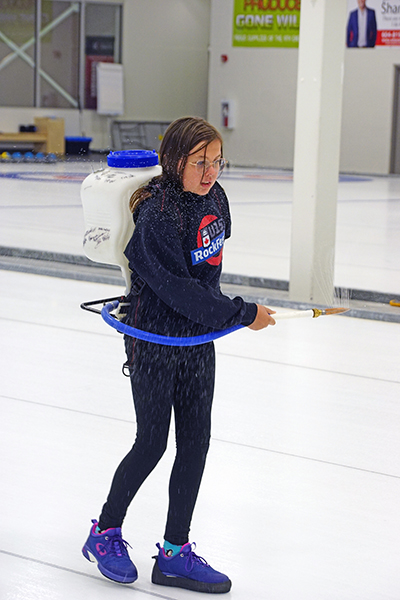
The course introduced young curlers to the basics of scraping, pebbling, and clipping, and helped them learn more about what goes into preparing a sheet of curling ice.
Feedback from the pilot was unanimous. All participants said they would prefer to take the course with participants close to their age, and all said they would recommend the course to other young curlers.
Participants said learning alongside their peers made it easier to participate and ask questions, created opportunities to make new friends, and helped reduce the pressure of learning something new.
“The Youth Ice Technician course was really fun. We learned a lot and are excited to show our home club our certificate and hopefully get a chance to practice our pebbling skills again soon,” said Parker and Brennan Lougheed. “We were fascinated with learning all about the water filtration and the setup at Chilliwack. That was our favourite part!”
The pilot offers another potential entry point into the Ice Technician Education Program and a chance for young curlers to learn more about an important aspect of the sport.
“If we want to build our system and develop future ice technicians, we have to start creating pathways for young people to get involved,” said Mikush. “The Youth Ice Technician pilot course is our first step in exploring how we can introduce that opportunity and give youth a meaningful experience learning the basics of scraping, pebbling and clipping.”
Whether it is an experienced ice technician learning how to become a better facilitator, a new evaluator developing the tools to support participants, or a young curler getting their first introduction to ice making, the goal remains the same: building the knowledge and expertise needed to create consistent, predictable playing conditions for curlers across Canada.
Additional information about Curling Canada’s Ice Technician programs is available through Provincial and Territorial Member Associations or by contacting icetech@curling.ca.