By: Jolene Latimer
For many of the women attending the Women in Curling Summit hosted at the Martensville Curling Club in Saskatchewan, delivering a curling stone was nothing new. But doing it from a wheelchair offered an entirely different challenge.
A hands-on wheelchair curling session gave participants a new appreciation for the sport’s skill, accessibility and opportunities for inclusion.
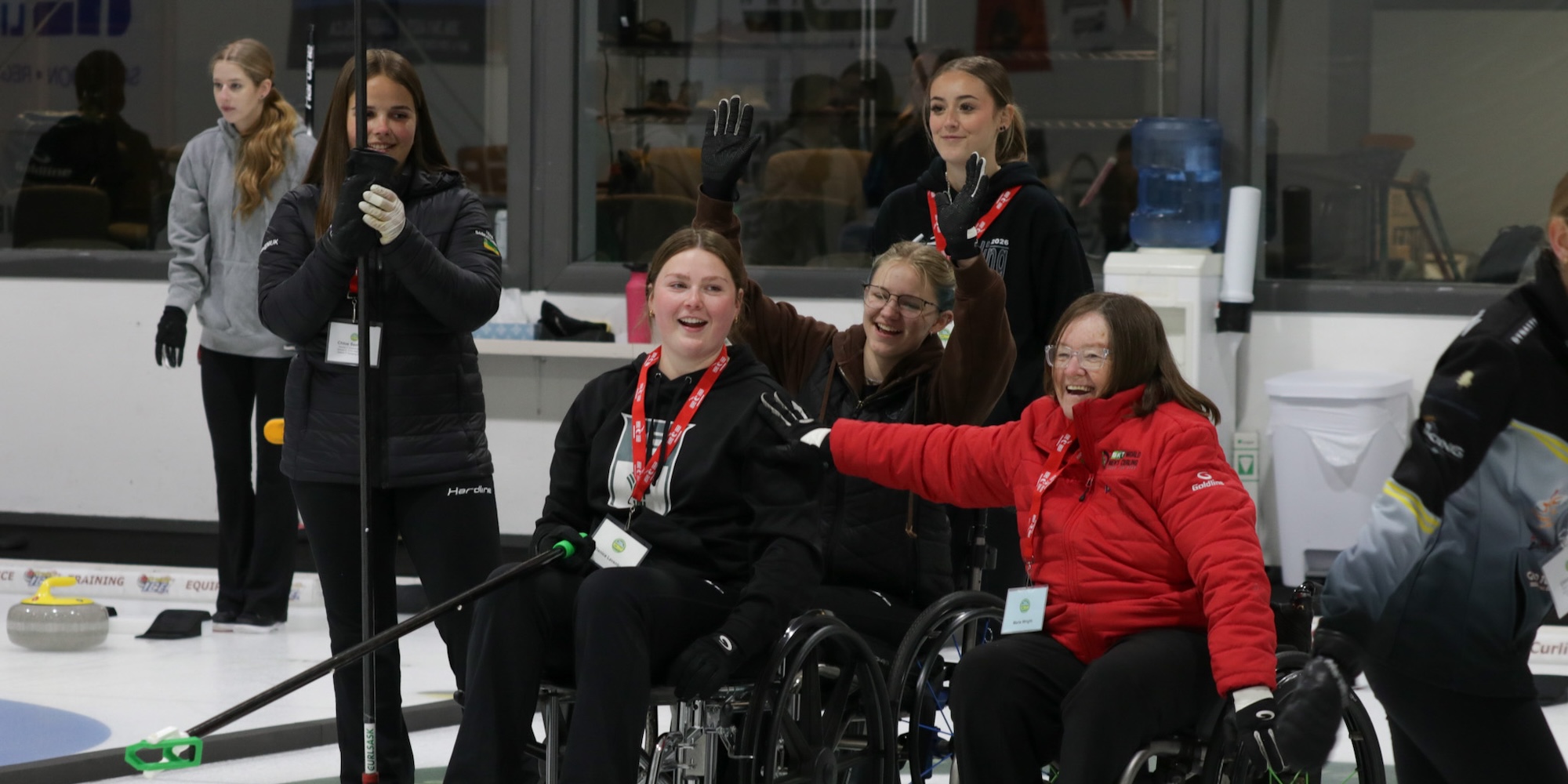
Under the guidance of Paralympic bronze-medallist Marie Wright, participants traded their familiar deliveries for a seat in a wheelchair, discovering firsthand just how much precision, strength and technique the adaptive discipline demands.
“I was most surprised by how difficult it was to release the stone with proper rotation,” said participant Chloe Semeniuk, who was trying wheelchair curling for the first time. “After experiencing wheelchair curling for myself, I have a whole new appreciation for the level of precision the sport requires. You basically have to have a perfect line and weight right from release.”
The session was a highlight of the Saskatchewan Women in Curling Summit, which brought women together to explore opportunities for participation, leadership and connection within the sport. The summit encouraged participants to consider the many ways women can remain involved in curling throughout their lives, including opportunities they may not have previously explored.
For Michele Mathews, office coordinator at CURLSASK and an adapted sport contact for the organization for the past two years, including wheelchair curling in the program was a natural choice.
Through her work, Mathews had come to know Wright both as an accomplished athlete and as an enthusiastic ambassador for the sport.
“She brings together so many of the things we wanted the summit to represent: inclusion, resilience, positivity, leadership and a genuine love of the sport,” Mathews said.
Rather than simply introducing participants to wheelchair curling through a presentation, organizers wanted to give them the opportunity to experience it themselves.
The results exceeded expectations.
“What stood out to me most was how willing the women were to participate and really embrace the experience,” Mathews said. “They weren’t just watching a demonstration or listening to someone talk about wheelchair curling; they were getting into the chairs, trying it themselves, asking questions and learning firsthand how different the game can feel from that perspective.”
Mathews particularly enjoyed watching participants celebrate the small victories that came with mastering a new delivery approach.
“One of my favourite things was seeing the joy on their faces when they successfully got a rock down the ice,” she said.
For organizers, the experience also reinforced a larger message about accessibility and the opportunities curling offers people of different abilities.
Gaylene Simpson, a member of the summit organizing committee, said the decision to feature wheelchair curling reflected one of the sport’s greatest strengths: its adaptability.
“Across the province, leagues bring together wheelchair curlers, stick curlers, those who use slide deliveries, blind participants, and others with diverse abilities to play the game we all love,” Simpson said. “We wanted to highlight that diversity, showcase the adaptability of curling, and demonstrate how it truly is a sport for the whole community.”
That message was particularly relevant to the summit’s broader focus on retaining women in curling.
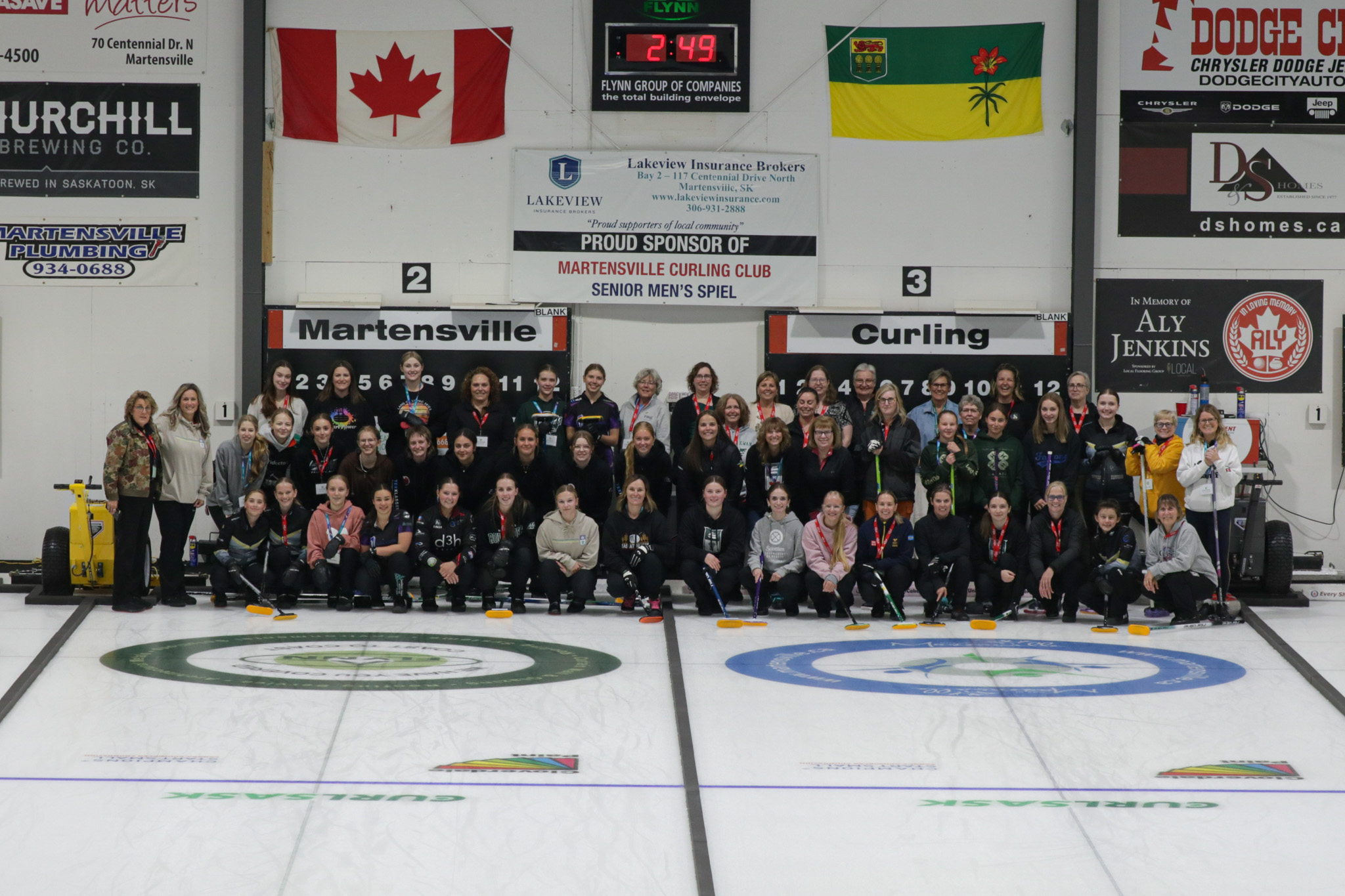
As women navigate changing responsibilities related to education, careers and family, their opportunities to participate in sport can change. Simpson said the committee wanted to demonstrate that remaining involved doesn’t always mean participating in the same way.
Between coaching, officiating, volunteering and adaptive disciplines, curling offers numerous ways to maintain a lifelong connection to the game.
For Mathews, the session illustrated how powerful a firsthand experience can be in changing perspectives, even among people who already know the sport well.
“The women left with a better understanding and appreciation of wheelchair curling, but I think they also left thinking a little more broadly about accessibility, inclusion and the many different ways people can participate and succeed in our sport,” she said.