By Jolene Latimer
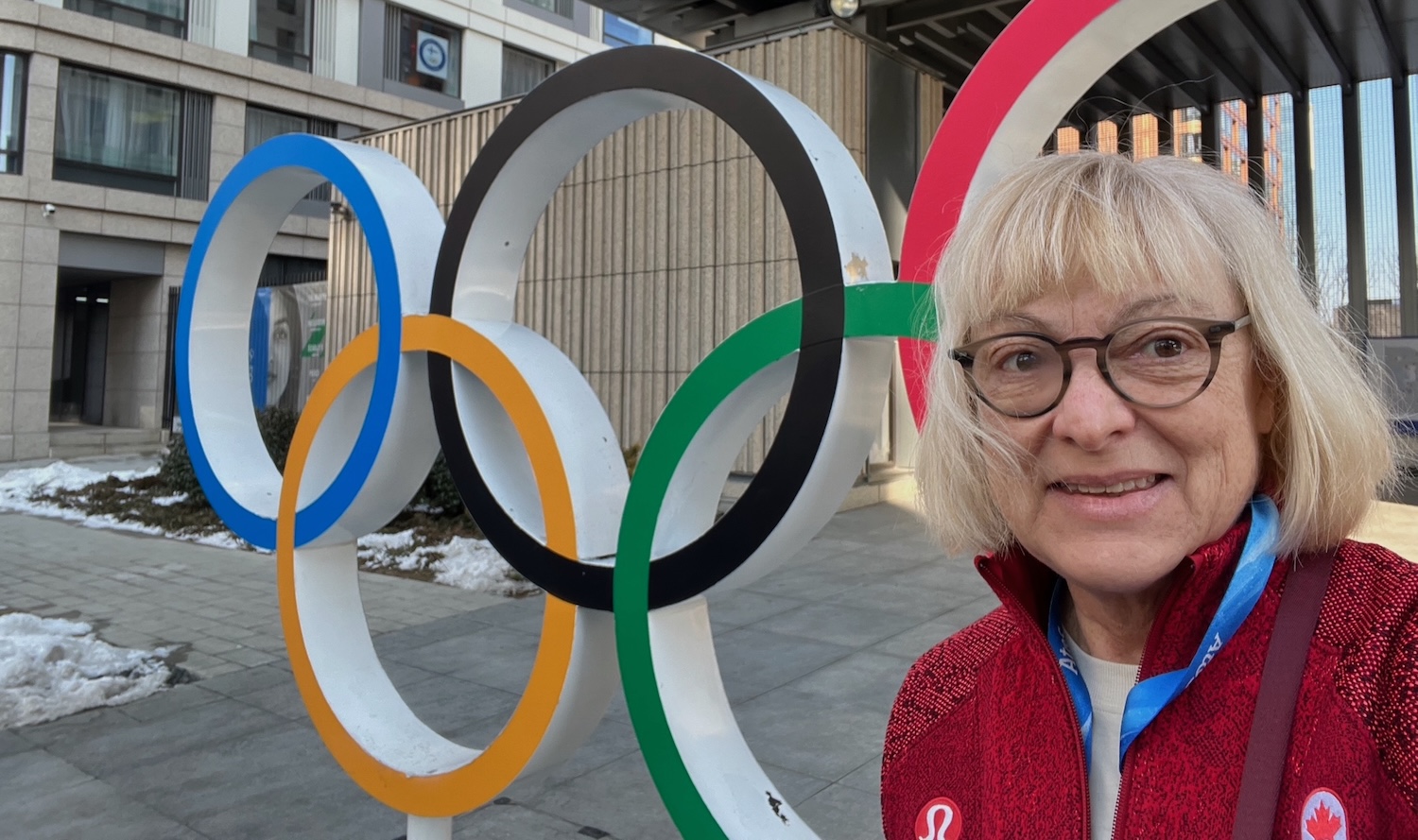
From her place in the alleyway, Elaine Dagg-Jackson has seen it all. There were tough losses and lessons learned, but also high points, many of them. For much of her career, she has not merely had a front-row seat to some of curling’s greatest moments, she’s been part of shaping them.
Now, Dagg-Jackson is retiring from Curling Canada’s High Performance program after more than two decades helping guide Canada’s top women’s teams. And while her career has taken her to some of the sport’s biggest stages, it’s the people she helped get there who have left the deepest impression.
“Having the privilege to stand in the alleyway at the end of the rink, at a competition and watch a team win the Scotties and become Team Canada, or win the Trials and become the Olympic team, are moments that I will never forget,” she said.
For those athletes, Dagg-Jackson’s influence has extended beyond the victories they shared.
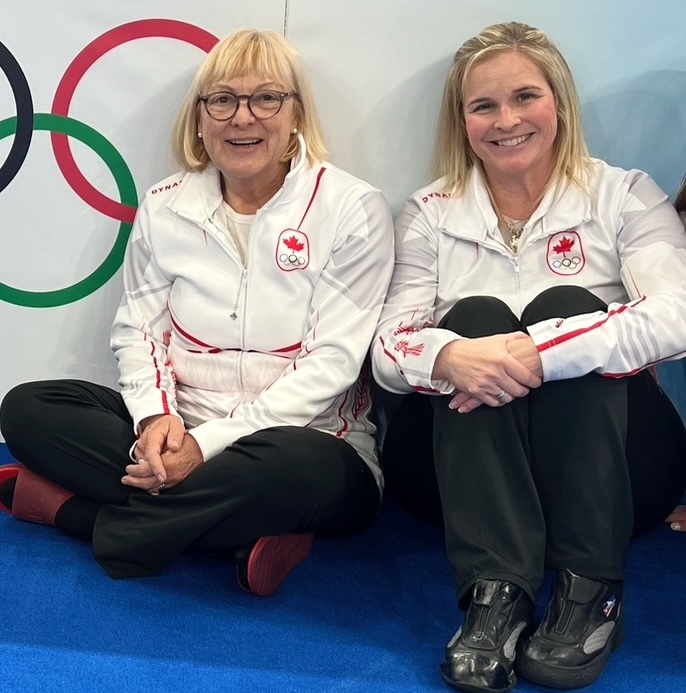
“I couldn’t have imagined my curling career without Elaine Dagg-Jackson,” said six-time Scotties champion and Olympic gold-medallist Jennifer Jones, who first met Dagg-Jackson as a 19-year-old when Dagg-Jackson was working with Canada’s junior national program.
“Having somebody that would believe in you and would remind you that you are where you’re supposed to be, that you belong, and that’s something that Elaine did, but just in a quiet, unassuming way,” Jones said.
The admiration was mutual. From the beginning, Dagg-Jackson recognized in Jones a determination to succeed and an unwillingness to accept limitations.
Dagg-Jackson also remembers that, after nearly every competition or training camp, Jones would be on the phone within a day, wanting to know what she could do better and how she could reach the next level.
Jones recalls Dagg-Jackson as a coach who understood the importance of enjoying the experience along the way. She was organized and meticulous about the details, but she also made sure her athletes remembered to have fun.
“She reminded us to be where our feet were and to really embrace the moment,” Jones said.
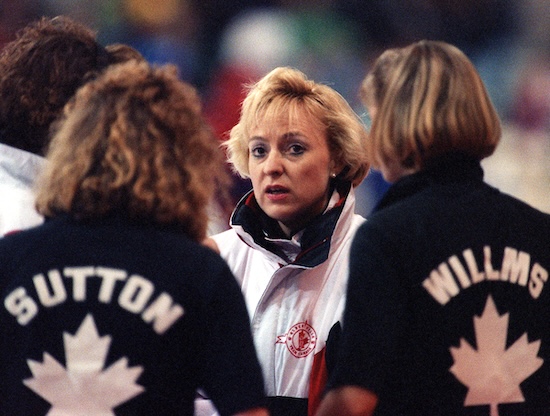
Dagg-Jackson’s coaching career began long before she joined Curling Canada’s high performance program in 2004. A three-time Canadian women’s champion, Dagg-Jackson served as both coach and alternate for Julie Sutton’s team, which won the 1991 Scotties championship, silver at that year’s world championship and bronze at the 1992 Albertville (France) Olympics, when curling was a demonstration sport.
She worked with Canada’s junior national program from 1993 to 1995, followed by coaching positions with the Japanese and South Korean national teams, including serving as Japan’s head coach at the 1998 Nagano Olympics.
When she returned to Curling Canada in 2004, her first assignment was accompanying Colleen Jones’s team to the World Women’s Curling Championship in Gavle, Sweden, where Canada won gold.
Despite her experience, Dagg-Jackson remembers feeling intimidated by the prospect of joining such an accomplished team. She soon discovered that her greatest contribution would come from helping athletes prepare for every possible circumstance, rather than changing what already worked.
“Preparation is everything,” she said. “Being prepared for everything you might encounter with a really detailed plan.”
That philosophy became a hallmark of her career as she worked alongside longtime Curling Canada High Performance director Gerry Peckham to develop Canada’s National Team Program, taking on responsibilities in sport science, coach development, strategic planning and athlete well-being.
Peckham remembers a colleague who never hesitated to take on another responsibility, no matter how full her schedule.
“There was never a ‘maybe’ or ‘I’ll get back to you’ ever uttered by Elaine,” he said. “It was, ‘Yeah, I’ll do that. I can take that on when you need that.’ ”
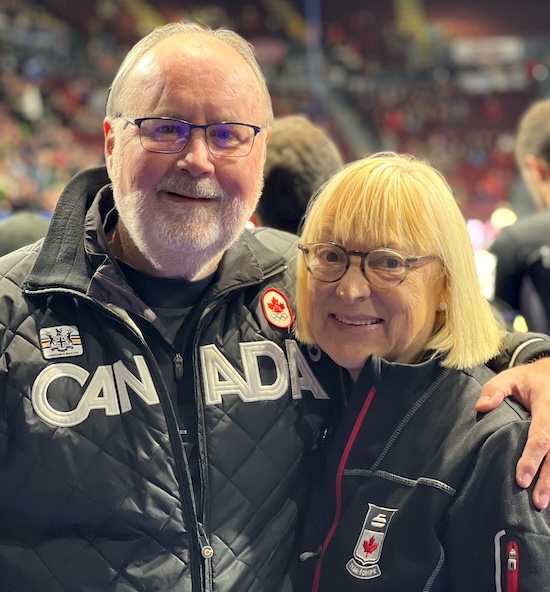
He recalled that Dagg-Jackson, who lives in Victoria, B.C., was often the first person he heard from each day, sometimes calling as early as 5 a.m. her time, and always with her trademark verve that buoyed those around her.
“Elaine’s one of those people who there should always be a brass band nearby,” he said.
Peckham said Dagg-Jackson’s commitment to improving her own abilities was equal to her dedication to the athletes. She pursued every opportunity for professional development, becoming, in his estimation, one of the most highly trained coaches in Canadian sport.
That expertise made her a valuable contributor well beyond Curling Canada. She was regularly sought out by national sporting organizations for her knowledge of coaching and athlete development, while also playing an instrumental role in securing funding for the high performance program.
“She really had a feel for diplomacy and dignity and she always did a masterful job of ensuring that the brand of Curling Canada was really well represented and well taken care of,” said Peckham.
Beyond her work with national teams, Dagg-Jackson became a respected voice throughout Canada’s sporting community, contributing to initiatives with the Coaching Association of Canada, Canadian Olympic Committee and Own the Podium. Her contributions to curling have earned her numerous honours, including the Joan Mead Builder Award and induction into the Greater Victoria Sports Hall of Fame.
Although she’s stepping away from the high performance program, Dagg-Jackson’s commitment to the sport continues through her work with Women in Curling, an initiative dedicated to creating more opportunities for women in coaching, leadership and other roles across the game.
“Women are interesting and brilliant, and show worthy in their ability to perform curling at the highest level. And I’d like to see a brighter light shine on that,” she said.
For Peckham, her influence will remain evident long after her retirement.
“She’s the gold standard. She’s the benchmark,” he said. “If anybody phoned me and said, ‘What should I do?’ I would arguably say, you know, be as much like Elaine as you possibly can be.”
Dagg-Jackson, meanwhile, is leaving with the satisfaction of knowing the program she helped build is in capable hands.
“I wanted to leave the national team program and high performance curling in a place where I felt that things were going really well,” she said. “I know I’ve got the best seat in the house now to watch some of the things I helped to incorporate, and watch everything flourish and shine.”