Trailblazer, mentor and leader are just a few of the words used to describe Wendy Morgan, whose impact on Canadian curling includes developing the next generation of curling talent, coaching at the high-performance level and leading the National Wheelchair Curling Program for two decades. She is starting the 2026-27 season without a formal role in the program for the first time in twenty years.
Morgan was approached in 2005 by Gerry Peckham, Curling Canada’s High Performance Director at the time, to help lead a sport she knew very little about. Despite her initial hesitation, she took on the challenge and helped build wheelchair curling in Canada into the sport it is today.
For two decades, Morgan helped shape the future of wheelchair curling in Canada and abroad. From coaching and recruiting athletes and coaches to advocating for the sport and finding new ways to grow the game, she wore many hats. After first leading preparations for Team Canada at wheelchair curling’s debut at the 2006 Paralympic Games in Torino, she went on to manage the national program for the next 15 years.
In its early years, wheelchair curling faced challenges with ice conditions, shorter games, limited technology and equipment, and plenty of unknowns. The game looked a lot different, often with slower ice, more rocks in play, and less hitting. At the time, it was also a sport ready for innovation and change.
“It was just a different time,” said Morgan. “We were pioneers, if you will. Around the world, everybody was. The game itself was in its infancy back then. The tactics and strategy of it all were a little less known and certainly in development.
“The people that were there kept me there—the staff, the athletes—I just really enjoyed it. I enjoyed the challenge of helping to grow the sport. I wasn’t the only one, but we were making it up on the go, collaborating with other coaches internationally. Just trying to find a way to make this sport successful. I just thought it had so much potential. And I thought we could be good at it—and successful too.”
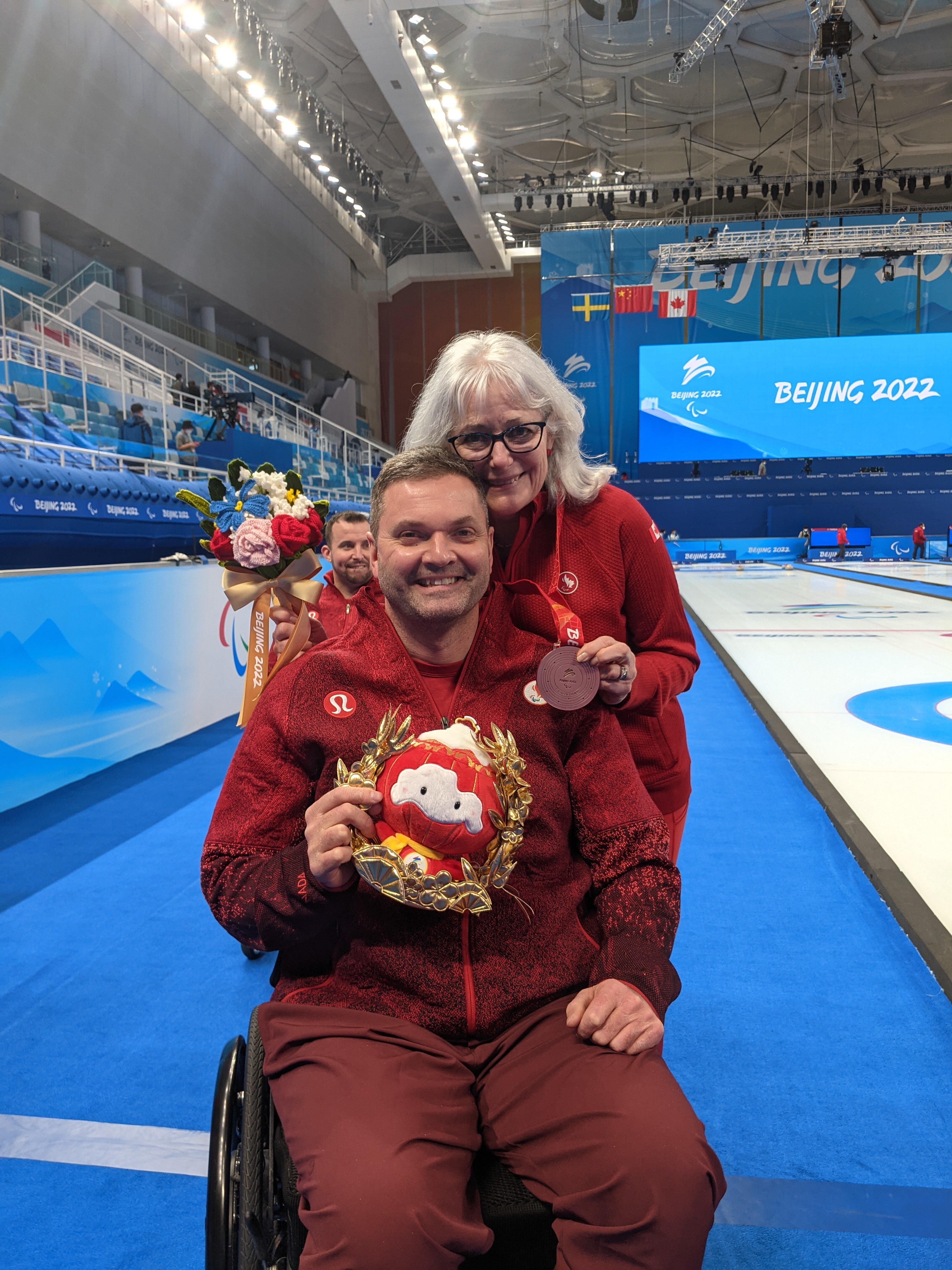
Morgan spent two decades at the heart of wheelchair curling in Canada, playing a major role in a program that has medalled at every Paralympic Winter Games since the sport’s introduction in 2006. Her work helped establish Canada on the international stage and brought in new athletes and coaches, including current Paralympic gold-medal-winning skip Mark Ideson.
In 2011, Morgan led a cross-country wheelchair curling tour to introduce the sport to new athletes, coaches and high-performance leaders. She advocated for the sport to have a place in every corner of Canada. Ideson is just one of the athletes Morgan recognized, supported and believed in.
“Wendy was the heartbeat of the wheelchair curling program for the last two decades,” said Ideson. “She had a huge influence on my curling career and was the first person to believe in me when I began my journey toward wearing the Team Canada jersey.”
Morgan helped lead Team Canada to its first Paralympic gold medal at Torino 2006.
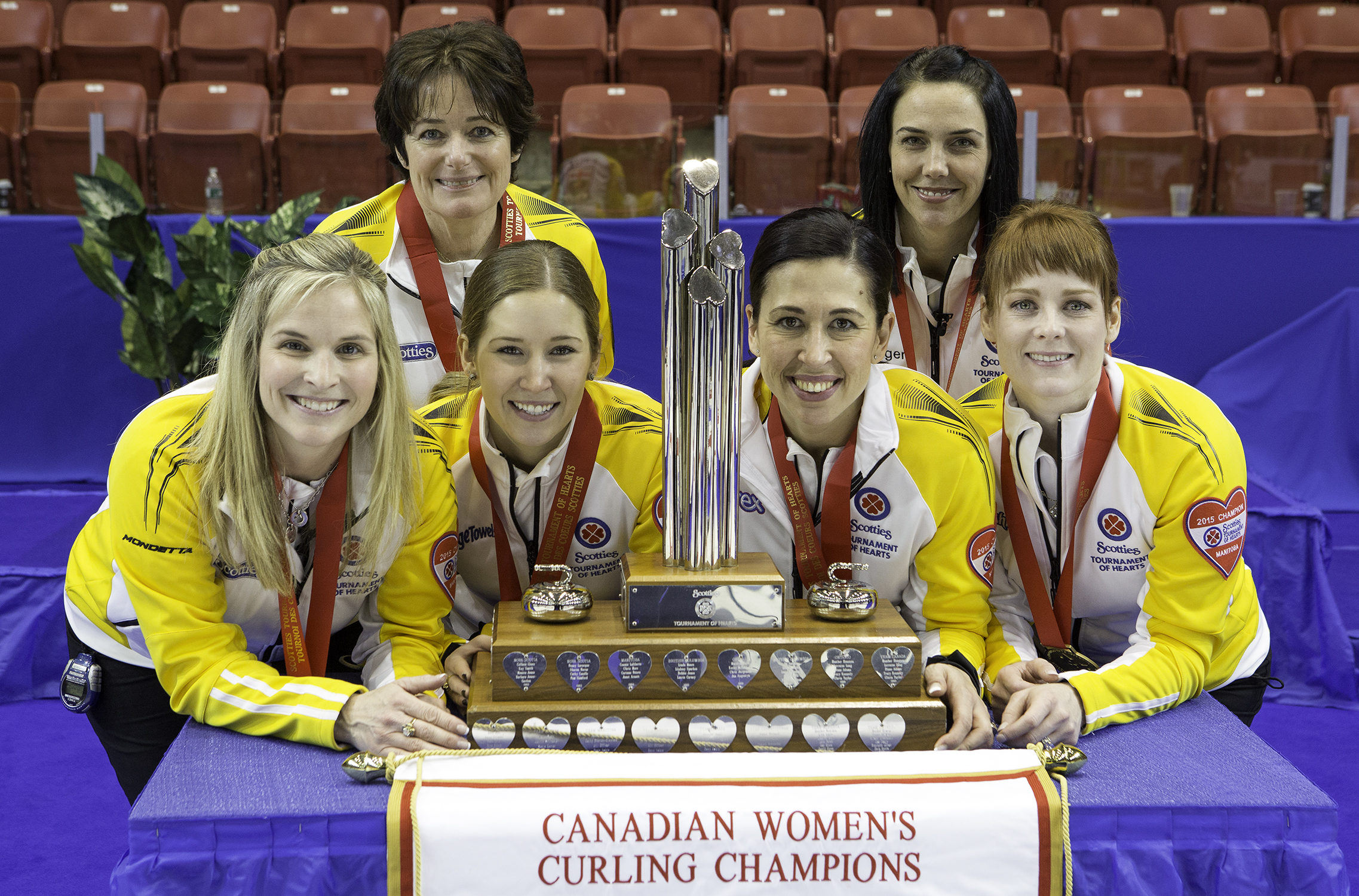
Her contributions to Canadian curling also include developing the next generation of curlers. Morgan was involved in youth development at junior camps for more than 20 years and coached the Ontario Curling Association’s High-Performance Program from 2007 to 2014. She also brought her experience to the women’s game, coaching Team Jennifer Jones from 2014 to 2018. During that time, the team won two Scotties Tournament of Hearts titles and the 2018 World Women’s Curling Championship.
“Wendy is a true trailblazer; there was no path that was forged for her like the one she helped forge for those currently leading the sport,” said Kyle Paquette, Director, Wheelchair Curling at Curling Canada. “The impact she made on the culture of the National Program is one we will forever continue to attempt to uphold.”
Over the years, wheelchair curling continued to evolve. Morgan explained that improvements came as more resources and expertise became available while the sport grew.
“I worked with some amazing individuals over the years, each contributing to the growth of wheelchair curling and the success of our athletes. I’d like to thank the head coaches: Joe Rea, Wayne Kiel, Mick Lizmore and Dana Ferguson; team physicians: Dr. Linda Ferguson, Dr. Steven Dilkas, Dr. Sari Kraft, Dr. Steven Macaluso and Dr. Gordon Han; team physiotherapists: Paige Larson, Sari Shatil and Alysia Patience; mental performance consultants: Dr. Laura Farres, Dr. Kyle Paquette and Erin Brennan; sport science consultants: Bob Comartin, Rob Krepps, Kyle Turcotte and Renee Sonnenberg; nutrition consultants: Jennifer Krempian and Jori Janzen; support staff, including Trevor Kerr and Alon Shatil; and media consultants: John Sims, Al Cameron, Kyle Jahns, Brian Chick and Larissa Simone. I’d also like to thank the staff at Curling Canada and the Canadian Paralympic Committee, as well as the mentors who made an impact throughout my curling career: Pat Reid, Joan McDonald, Elaine Dagg Jackson, Jim Waite and my 3 FS.
“I would also like to acknowledge the strong provincial programs and their coaching leadership, which contributed to identifying and training prospective national team members and promoting wheelchair curling. To the home coaches across the country who have supported program athletes in their daily training environments, thank you! It has been said many times: ‘It takes a village!’
“I need to pay tribute to the athletes who represented Canada with pride and were so grateful to wear the Maple Leaf. They were competitive, great teammates, curious, innovative and students of the game. There was no better feeling than seeing them mixing with their peers at international events and ascending the podium.
“I owe my biggest thank you to Gerry Peckham, who was the High-Performance Director during my tenure and who supported me and the program at every turn.”
She credits the sport’s continued success to the work of Paquette, current program head coach Mick Lizmore, mixed doubles and NextGen coach Dana Ferguson, and a crew of dedicated athletes and staff.
“Our high-performance program was also in its infancy and it worked, but it has transitioned to a really world class level of operation,” said Morgan of the current landscape of the National Wheelchair Curling Program. “I’m just so proud of where they’ve taken it.”
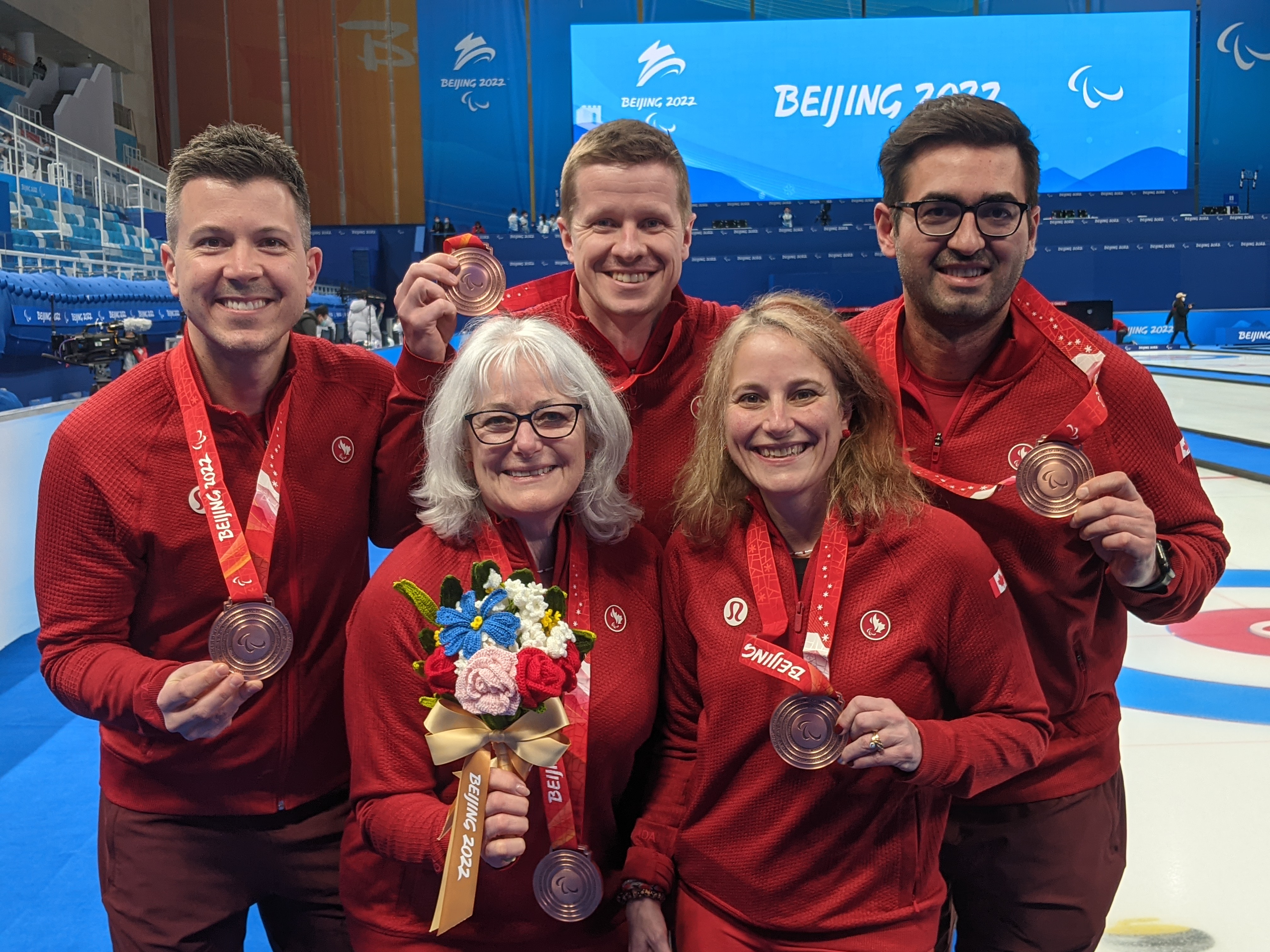
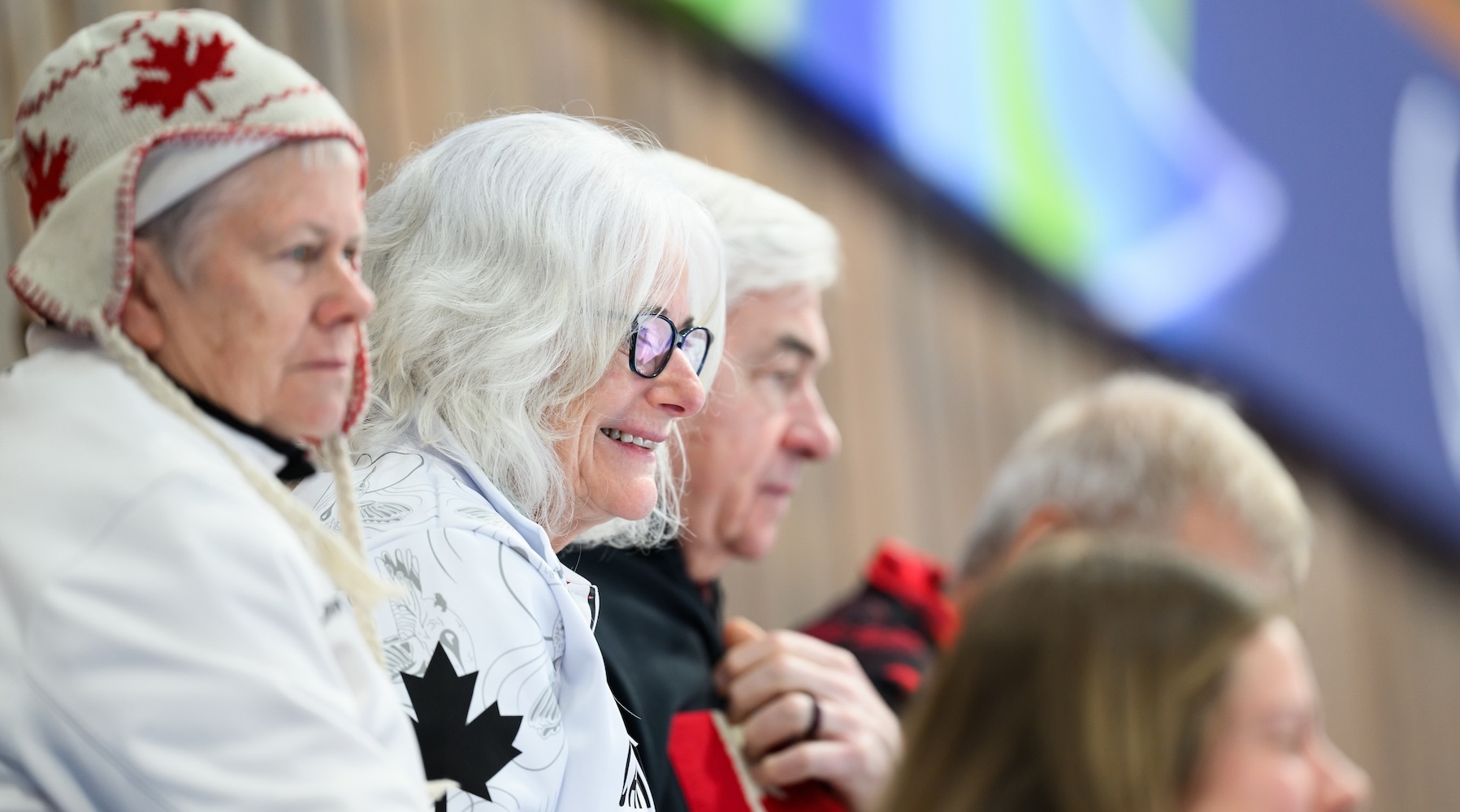
Morgan stepped away from the manager role in 2022, handing leadership of the program over to Paquette. She remained involved as a program advisor and served as the Friends and Family Coordinator for the Milano Cortina 2026 Paralympic Games. She emphasized she was happy to see the current leadership group take the lead and continue building on the sport.
“Wendy’s fingerprints are all over wheelchair curling in Canada, and she is among the most influential individuals in the sport,” said Paquette. “Wheelchair curling wouldn’t be where it is today if it wasn’t for her tireless efforts over the years, and the sport is indebted to the work she’s put in.”
Milano Cortina 2026 marked Morgan’s final Paralympic Games. This time, she was able to enjoy the experience from a different perspective.
“I am so happy I was a part of it,” said Morgan. “Super happy that we found the team that we did to take it on, and they’ve just made such an impact.”
Canada’s gold medal in Italy added another chapter to the program’s impressive Paralympic record. Canada remains the only country to have medalled at every Paralympic Winter Games featuring wheelchair curling, with four gold medals and two bronze medals.
After two decades of travelling and dedicating so much of her time to the sport, Morgan is looking forward to spending more time with her family, including her grandchildren. She also plans to continue coaching at her local curling club while also contributing as a local coach for up-and-coming wheelchair curlers.
“There was lots of family stuff that I missed in those years when I was travelling. And now I get to be a part of all of it,” said Morgan. “You don’t do it without support from home. I just want to thank my husband and my family for all their support and encouragement, and for managing the home front over the years.”
For Ideson, Morgan’s next chapter is well deserved.
“I’m so happy that she’s taken on the role that she has now. Having the opportunity to spend more time with family, I know she’ll continue to bring the same heart, wisdom, and pride to her grandchildren that she gave to our sport for so many years,” he said.
Looking back on her time with the program, Morgan is especially grateful she took a chance on something unfamiliar all those years ago.
“I’m glad I didn’t shy away when Gerry reached out in 2005,” said Morgan. “I could have easily stuck with what I know. But I didn’t. Instead, I decided to take it on and learn, and I’m so glad I did. I am so grateful that I had the experience with these athletes and these families.”
And we are so grateful for you, Wendy. A heartfelt thank you!